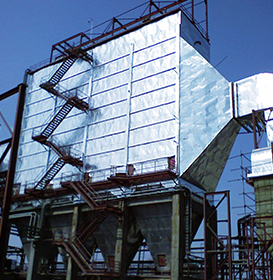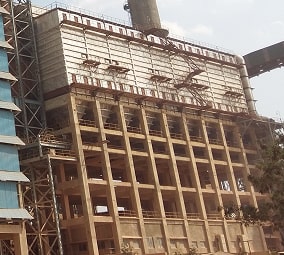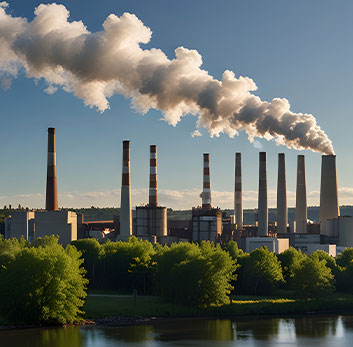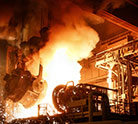

In industries where combustion and high-temperature processes are central to operations, such as power generation, cement, steel, and chemical manufacturing, airborne particulate emissions are an unavoidable byproduct. Controlling these emissions is not only a matter of regulatory compliance, but also one of operational efficiency, equipment longevity, and environmental stewardship.
This is where Electrostatic Precipitators (ESPs) come into play. And with over 800 ESPs installed across India, Elex India has emerged as a trusted leader in the design, engineering, and optimization of these critical systems.
Understanding ESP Efficiency
An ESP works by charging airborne dust particles and collecting them on oppositely charged plates. While the concept is simple, maximising its efficiency depends on the fine-tuning of multiple parameters across mechanical, electrical, and process domains. Elex India’s systems are engineered with this holistic understanding at the core.
Let’s explore the key factors that drive ESP performance—and how Elex optimises each one.
Electrode Design and Alignment
The geometry and positioning of discharge electrodes and collection plates directly influence the charging and migration of particles. Elex India designs high-efficiency electrodes that produce uniform corona discharge, enabling better particle ionisation and collection, even for submicron particles. Proper tensioning and alignment are also maintained to reduce sparking and re-entrainment.
Voltage Control and Power Optimization
ESP efficiency is highly dependent on maintaining optimal electric field strength. Elex integrates advanced transformer-rectifier (TR) sets and controllers that continuously adjust voltage and current based on gas conditions, resistivity, and dust load. This real-time voltage regulation maximises collection without energy waste or disruptive sparking.
Rapping Mechanisms and Ash Removal
Ineffective rapping systems can lead to re-entrainment of collected dust back into the gas stream. Elex employs precision-controlled rapping systems, both mechanical and pneumatic, that dislodge dust effectively while preserving plate integrity. This ensures efficient ash removal, reduces maintenance downtime, and prolongs component life.
Gas Flow Distribution and Duct Design
Uneven gas flow leads to poor utilisation of the ESP’s collection area. Elex focuses on aerodynamic duct designs, flow diffusers, and turning vanes to ensure even distribution across the cross-section. This maximises the effective area for dust capture and improves performance under variable process loads.
Monitoring, Analytics, and Predictive Maintenance
Modern ESPs go beyond mechanical performance—they are now data-driven systems. Elex India offers solutions integrated with real-time monitoring, emission tracking, and predictive diagnostics. This enables operators to identify performance drift, component wear, and ash build-up before it affects efficiency or compliance.
Efficiency That Pays Back
By optimising every element, from voltage to gas flow, Elex India’s ESP solutions deliver consistently high collection efficiencies. This leads to:
- Lower emissions and regulatory compliance
- Reduced energy consumption
- Fewer shutdowns and lower maintenance
- Extended component life
- Overall operational cost savings
Built for Indian Industry, Backed by Experience
With over 800 successful installations and decades of domain expertise, Elex India understands the unique challenges of Indian industries, from fluctuating fuel quality to space constraints and high ash content. Our customised ESP solutions are built to deliver efficiency, reliability, and ROI, today and tomorrow.
Maximise your clean air strategy with Elex India.
Get in touch
Mail info@elexindia.co.in